
£199.00
Tirzepatide (LY3298176) is a synthetic incretin-based peptide engineered to co-activate the glucose-dependent insulinotropic polypeptide (GIP) and glucagon-like peptide-1 (GLP-1) receptors, enabling controlled study of dual-agonism pharmacology in vitro, ex vivo, and other nonclinical settings. Its dual-target mechanism is well-characterized in the literature and official labeling, making it a suitable reference tool compound for receptor binding, signaling, and structure–function investigations under laboratory conditions.


This material is provided strictly for laboratory research. It is not for human or animal administration, and no therapeutic, diagnostic, or performance claims are made or implied. Researchers should handle and document according to institutional SOPs and applicable regulations for peptide research materials. Where relevant to your setting, standard storage practices for labeled tirzepatide products include refrigeration at 2–8 °C, protection from light, and not freezing; if removed from refrigeration, labeled single-dose presentations allow room-temperature holding (≤30 °C) for limited durations. Apply equivalent caution and controls appropriate to your lab workflow.
As a dual agonist at GIP and GLP-1 receptors, tirzepatide allows side-by-side interrogation of pathway crosstalk, signal bias, and downstream second-messenger dynamics under defined assay conditions. In vitro studies commonly examine receptor engagement and potency, characterize cAMP and related readouts, and compare response profiles to single-pathway reference materials. Because both targets are addressed within one molecule, labs can explore how relative receptor activation contributes to observed signaling trajectories without changing tool compounds between runs, improving internal consistency for method development, reference benchmarking, and structure–function work.
Each unit is supplied with batch identifiers that map to accompanying documentation so identity and purity can be verified before use. The Certificate of Analysis typically details analytical methods and acceptance criteria relevant to the lot, enabling straightforward confirmation that the material matches its stated specification. This documentation-first approach supports traceability across plates, instruments, and time points, helping standardize inputs when evaluating dual-agonist behavior against single-agonist comparators or when transferring methods between teams or sites.

Supplied exclusively for scientific laboratory research and analytical purposes.
Not intended for human or animal use or any therapeutic, diagnostic, or cosmetic application.
For Research Only
Manufactured under controlled conditions for experimental and analytical applications.
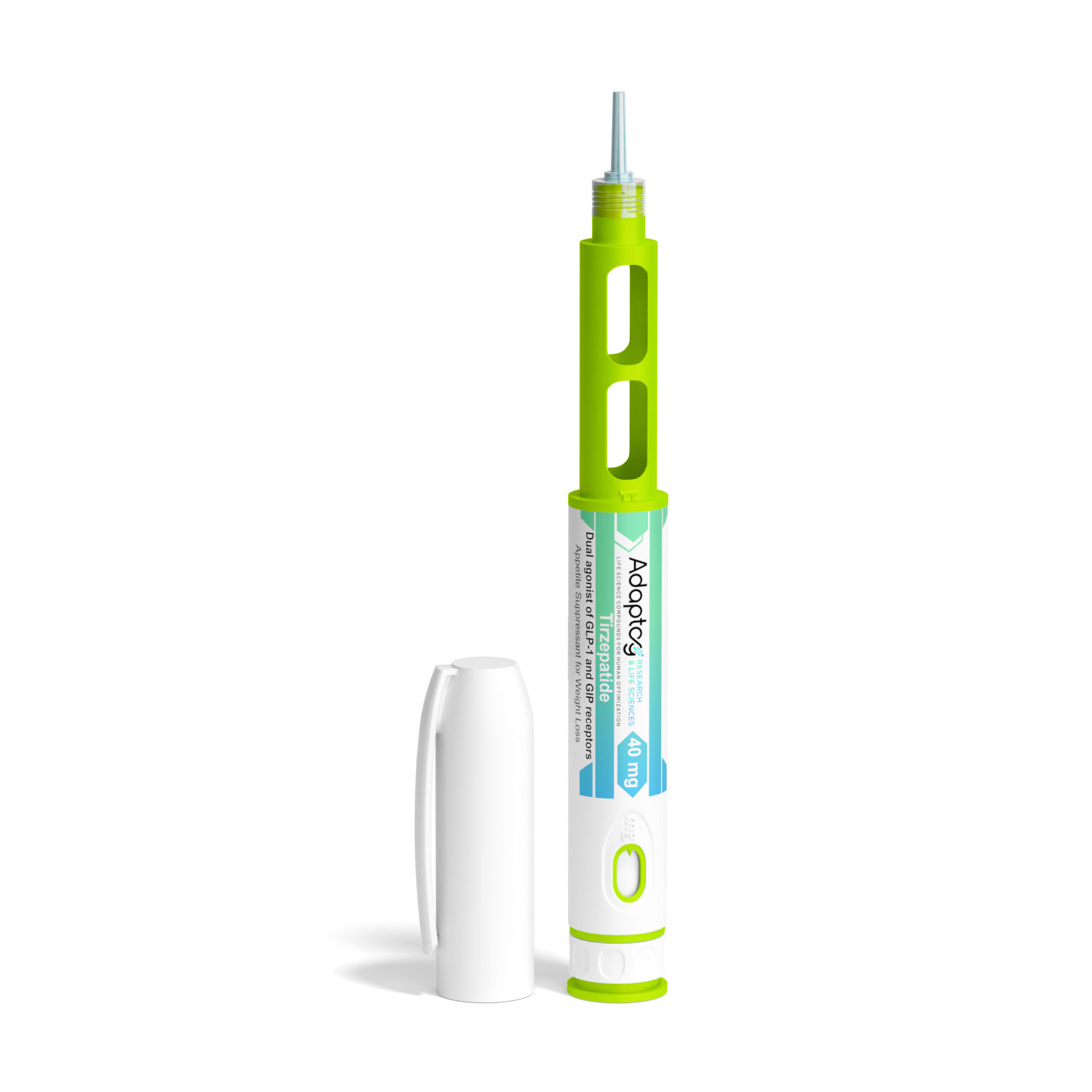
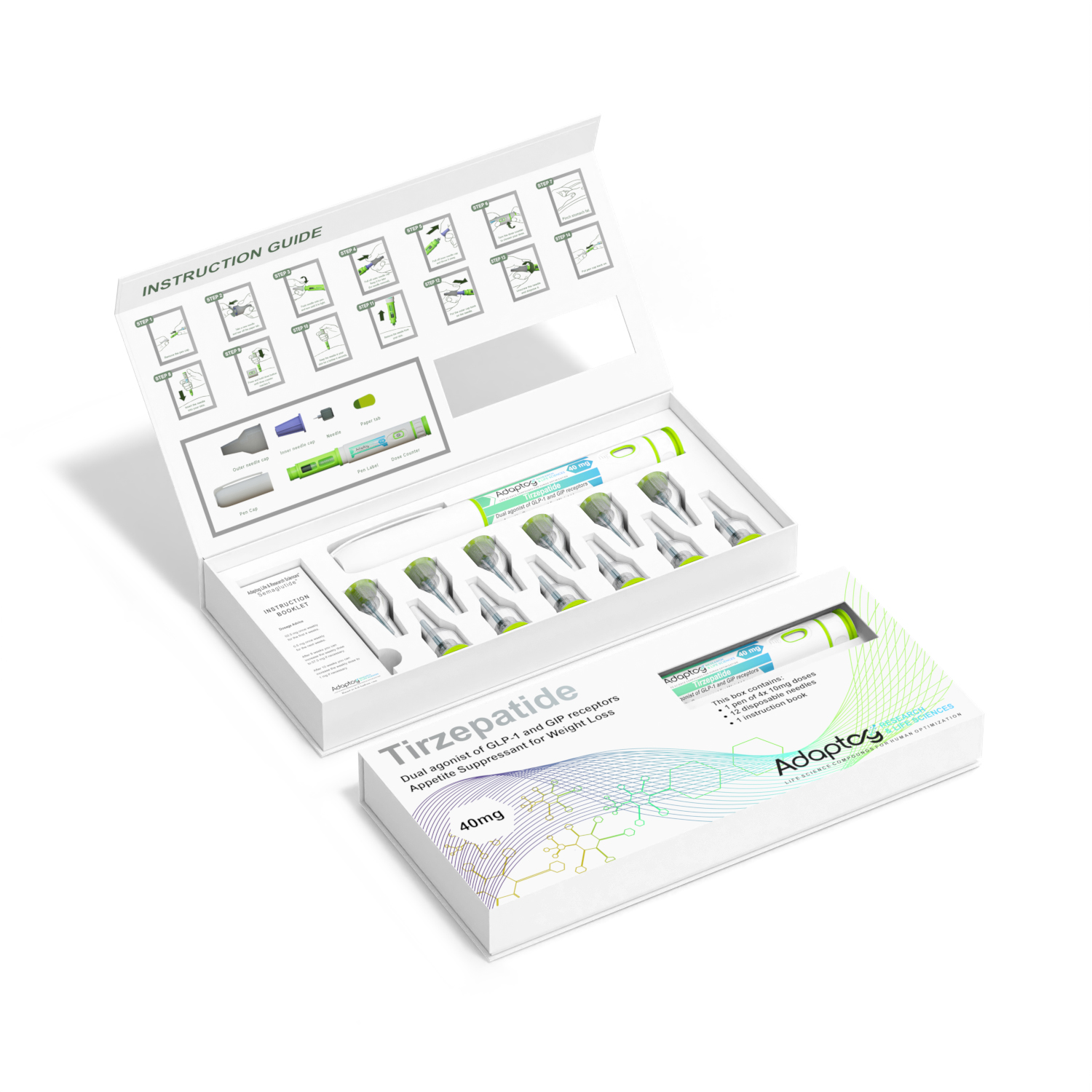
One 40mg vial of Tirzepatide material.
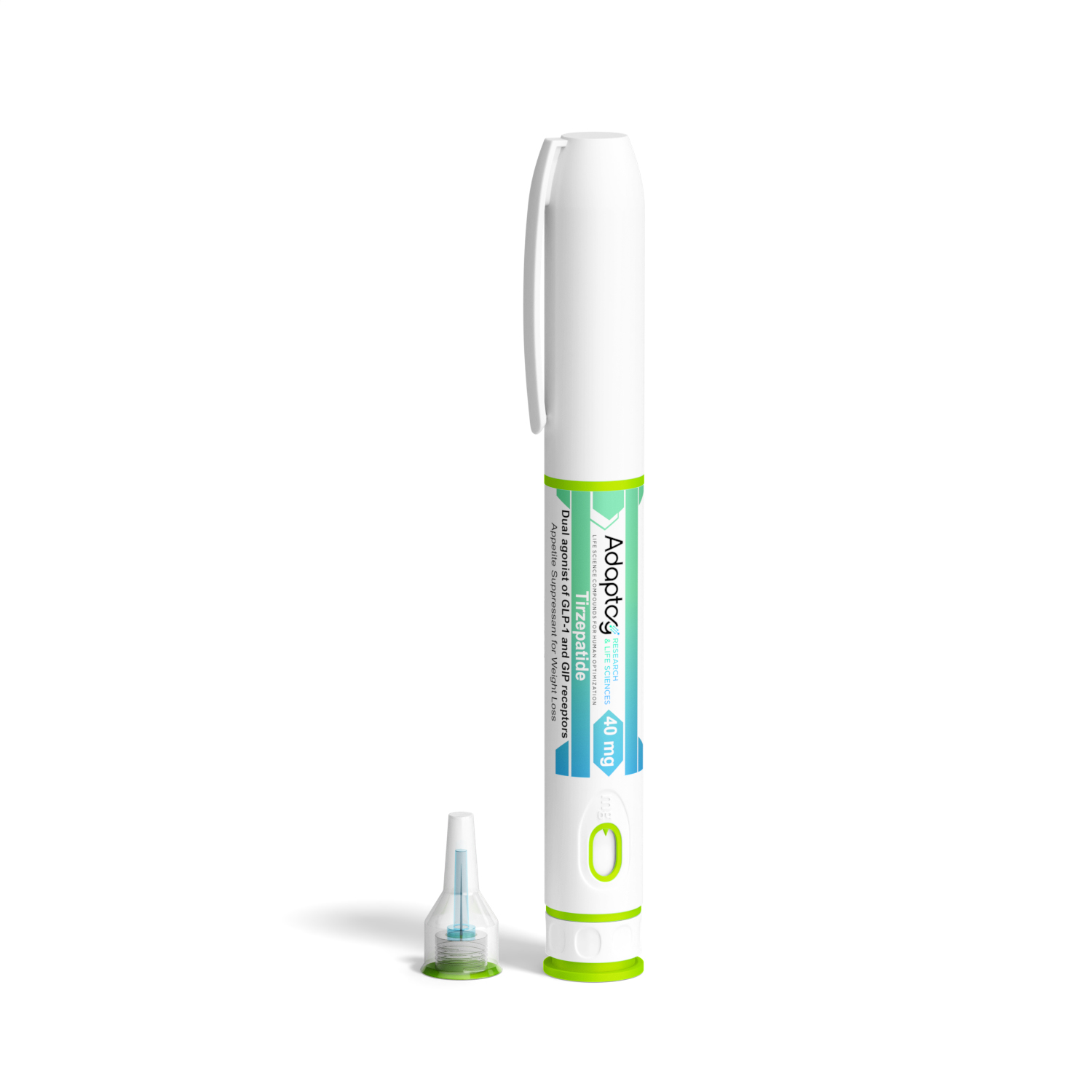
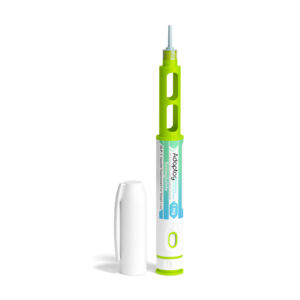
One pen, and twelve sterile needles for smooth and precise administration.
Lab-grade peptide supplied for scientific research and analytical applications. Review the product specifications and the Certificate of Analysis (COA) for the current lot.
Each unit ships with batch identifiers. The corresponding COA/SDS/TDS is available for download so your team can reference identity, purity, and handling information.
Use according to your lab’s internal protocols and applicable regulations. For Research Use Only. Not intended for human or animal use or any therapeutic application.
David O.
Head of Clinical Operations
The improvement in workflow efficiency and turnaround time since switching suppliers has been remarkable. We were referred by a partner CRO, and the consistency and professional support have been outstanding.
Clinical Research Lead
Clear documentation and fast next-day delivery. The support team was quick to respond to our technical questions and ensured a smooth onboarding process. Excellent experience overall.
Lucy D.
Lab Operations Coordinator
Our team has been very satisfied with the peptide quality and reliability of service. Communication with the Adaptog team has been exceptional, and their expertise made procurement and compliance straightforward.
Certificate of Analysis
Lab-grade peptide supplied for scientific research and analytical applications. Review the product specifications and the Certificate of Analysis (COA) for the current lot.
A Certificate of Analysis (COA) is the batch report issued by the testing lab. It confirms identity and purity, lists the lot number, test methods (e.g., HPLC/LC-MS), dates, and the lab’s details. Use it to verify that the material you received matches the documented specifications. For Research Use Only.
Every unit is labelled with a lot/batch ID. The Download COA button links the COA for the current lot. If your label shows a different lot, use the COA archive link or contact support so we can provide the exact file for your batch.
Labs typically use HPLC (purity/impurities) and mass spectrometry for identity. Some materials may also include endotoxin/bioburden where relevant. Method details are listed inside the COA. Results are presented as % purity with acceptance ranges defined by internal specifications.
Where available, we provide SDS (Safety Data Sheet) and TDS (Technical Data Sheet) alongside the COA. These documents support safe storage, transport, and analytical planning. Not intended for human or animal use or any therapeutic application.
Tirzepatide (LY3298176) is a dual-agonist peptide that targets the glucose-dependent insulinotropic polypeptide (GIP) and glucagon-like peptide-1 (GLP-1) receptors. It is supplied For Research Use Only for laboratory research and analytical applications, not for human or animal use, diagnosis, treatment, or cosmetic application.
The format/salt (e.g., pen/vial; specific counter-ion) is listed on the product page for each SKU. Identity and purity are confirmed per lot using analytical methods (e.g., HPLC/LC-MS). See the COA for methods, results, and lab details.
Yes. Each batch ships with a lot ID that maps to a downloadable Certificate of Analysis (COA) on this page. The COA includes identity, purity, test dates, methods, and lab identifiers. If your item’s lot differs from the file shown, contact support for the exact COA.
Where available, we provide an SDS (Safety Data Sheet) and TDS (Technical Data Sheet). These documents outline hazards, storage, and technical characteristics to support laboratory workflows. Request them via the links on this page or from support.
Follow the label and the SDS for storage conditions and handling precautions. To maintain integrity, avoid unnecessary temperature cycling and follow your facility’s SOPs for receiving, aliquoting, and documentation. (We do not provide usage or preparation instructions).
No. Materials are supplied For Research Use Only. We do not provide dosing, clinical, or cosmetic guidance, and we do not support therapeutic applications.
Orders are dispatched in protective packaging appropriate to the product format. Delivery timeframes and regions served are listed in the Shipping Policy. For documentation-related issues on receipt (e.g., COA access), contact support and include your lot ID.
Professional buyers (labs/clinics/CROs) can submit requests via For Professionals. Tell us your organisation type, materials of interest, and approximate volumes; we’ll confirm availability, documentation, and any MOQs or lead times.
Locate the lot/batch ID printed on your unit/label and compare it to the COA filename or header. If they differ, use the COA archive link (if provided) or contact support with your lot ID so we can send the exact document.
See the Returns, Refunds & Exchanges policy for eligibility and process. If your concern relates to documentation (e.g., COA mismatch), contact support first—we’ll resolve by supplying the correct files or guidance on where to access them.
Discount Applied Successfully!
Your savings have been added to the cart.